
We'll use MULE when I get the right job....
Preserving the Trades Through Technology with Ryan Shaver
At Construction Robotics, we're firm believers in preserving the trades while propelling them forward through innovation. That belief was at the heart of our recent sit-down with Ryan Shaver, a passionate leader in masonry education and a champion for the future of the craft. His story is both humbling and energizing and we’re excited to share some highlights that left a lasting impact on our team.
From Crackers and Cola to Industry Leadership
Ryan’s journey into masonry started in a small town in North Carolina in the late '80s. His motivation? A high school masonry teacher who offered cola and crackers to students who worked hard. A simple reward that sparked a lifelong career. From that humble beginning, Ryan transitioned from student to mentor, eventually teaching high school masonry himself for eight years before joining the North Carolina Masonry Contractors Association.
His passion for shaping young lives through the trades runs deep. “I have a job for every student,” Ryan told us. Whether it’s laying block or designing structures as an engineer, he believes in helping students find their place in the industry and the results speak for themselves.
Hands-On First. Pamphlets Later.
One of Ryan’s core recruitment principles? Get students hands-on. “If you’re standing behind a table handing out a pamphlet, you’ve already lost them,” he said. Instead, he makes sure every student leaves an event having laid at least one block. That small achievement turns into a powerful story they take home.
This “show me, don’t tell me” mindset resonated with us deeply. It’s not enough to talk about the value of masonry or the benefits of new tools like the MULE. People need to see it, touch it, and experience the difference it makes. Only then does the transformation begin.
The Role of Technology: Enhancing, Not Replacing
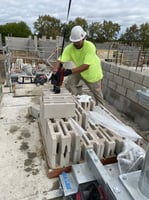
During his visit to our headquarters, Ryan spent time working hands-on with the MULE MZ100. “This isn’t replacing a mason,” he explained. “It’s taking the burden off their body so they can use their skills longer and go home feeling just as good as they did that morning.”
He sees technology like the MULE as essential to engaging younger generations who are already immersed in tech from a young age. For them, integrating robotics into construction is a natural fit. And as Ryan put it, “They don’t have to be linebackers to do this work anymore.”
Overcoming Resistance: It’s All in the Approach
Change can be hard especially in an industry rooted in tradition. But Ryan believes the key to introducing new technology lies in respect and patience. Whether it’s showing a seasoned crew member how to gently close a high-tech toolbox lid instead of slamming it, or guiding a young mason on how to preserve their body, the message is the same: this is for your benefit.
He stressed that introducing tools like the MULE isn’t about replacing skills. It’s about extending careers, reducing injury, and making masonry more sustainable.
Contractors and the Curve of Adoption
When it comes to adoption, Ryan pointed out a familiar hesitation: “Well, my daddy didn’t do it that way.” But he also sees a wave of younger contractors who are open to new ideas and ready to lead with a mix of tradition and innovation.
The difference, he says, comes down to how we show value. “If we show that benefit and actually implement it with their hands, then the telling part doesn’t need to happen. The showing is the sale.”
Why It Matters
As Ryan reminded us, masonry is more than work—it’s legacy. “Somebody took the time to teach me 30 years ago. Now I get to show someone else.” That passing down of knowledge, amplified by new tools and modern thinking, is how we keep the trade alive and thriving.
We left our conversation with Ryan inspired and more committed than ever to building tools that serve the people behind the craft. Because when we lift the trades literally and figuratively, we all rise.
Want to see how the MULE can support your team?